
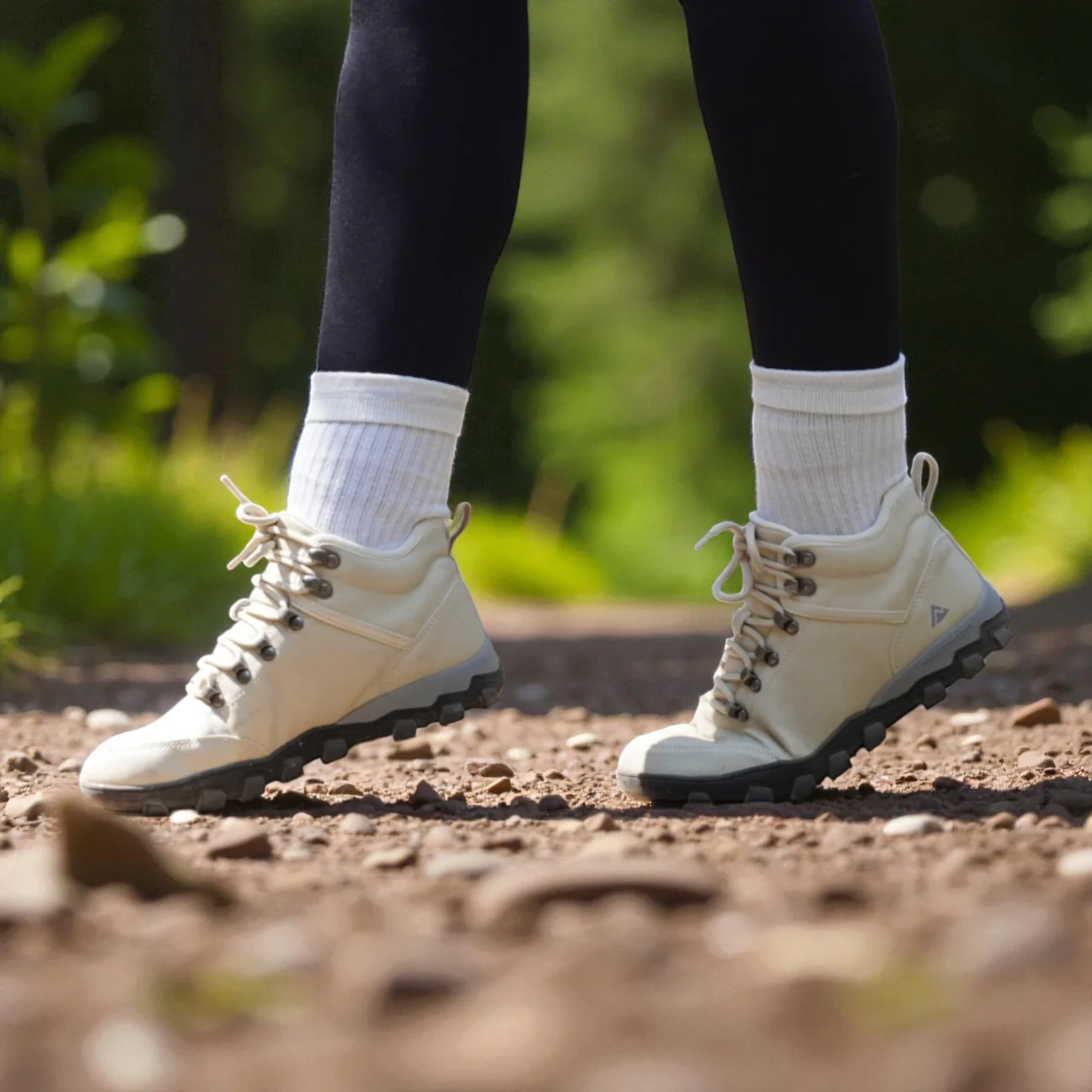
Walking is arguably the most fundamental human movement, yet modern design has fundamentally altered how our feet interact with the earth beneath us. For decades, the footwear industry has prioritized thick cushioning, rigid arch supports, and narrow silhouettes over the intricate mechanics of our own anatomy. This shift has led to a growing global movement of people rediscovering the benefits of barefoot shoes, seeking to reclaim the natural strength and alignment that traditional footwear often compromises. By stripping away the artificial layers of support, these minimalist designs allow the foot to function as it was biologically intended, fostering a more direct connection with the environment while strengthening the very foundation of our posture.
The engineering marvel of the human foot
To understand why a shift in footwear is necessary, one must first appreciate the complexity of the human foot. It is a masterpiece of biological engineering, containing 26 bones, 33 joints, and over a hundred muscles, tendons, and ligaments. This structure is not meant to be a rigid block; it is designed to be a dynamic, shock-absorbing tool capable of adapting to varied terrain.
When we lock our feet into traditional shoes with stiff soles and elevated heels, we effectively put our feet in a cast. Over time, the intrinsic muscles of the foot—the tiny muscles that support the arch and provide stability begin to atrophy from lack of use. This muscle weakness is often the root cause of common ailments such as collapsed arches, plantar fasciitis, and bunions. Minimalist footwear seeks to reverse this trend by allowing the foot to flex, spread, and move naturally, engaging those dormant muscles with every step.
The three pillars of minimalist design
Not every thin-soled shoe qualifies as a healthy alternative to traditional sneakers. True minimalist design generally adheres to three non-negotiable principles:
- A wide toe box: Traditional shoes often taper at the front, squeezing the toes into a narrow triangle. This can lead to deformities and reduces the foot’s ability to balance. A wide toe box allows the toes to splay naturally, which is essential for stability and a powerful push-off during movement.
- Zero drop: Most modern shoes have a heel that is higher than the forefoot. Even a small “drop” of 10mm can shift the body’s center of gravity, shortening the Achilles tendon and placing unnecessary strain on the lower back and knees. Zero-drop footwear keeps the heel and forefoot at the same height, promoting a neutral, upright posture.
- Thin, flexible soles: Protection from the elements is necessary, but excessive padding cuts off the communication between the feet and the brain. A thin sole provides protection while maintaining ground feel, which is crucial for proprioception.
The science of proprioception and balance
One of the most profound benefits of moving toward a more natural footwear choice is the improvement of proprioception. This is the body’s ability to sense its position and movement in space. The soles of our feet are packed with thousands of nerve endings that provide the brain with constant feedback about the surface we are walking on.
When we wear thick, marshmallow-like cushions, this sensory feedback is muffled. The brain has to “guess” where the ground is, which can lead to heavier landings and a less stable gait. Studies have shown that wearing shoes that allow for sensory feedback can significantly improve balance, especially in older adults. For athletes and fitness enthusiasts, this translates to better coordination and a reduced risk of ankle sprains, as the body can react more quickly to uneven surfaces.
Strengthening your foundation from within
Research into minimalist footwear has yielded impressive results regarding muscle development. A notable study published in Nature indicated that individuals who switched to minimalist footwear for daily walking increased their intrinsic foot strength by up to 60% over a six-month period. This is a staggering improvement that no amount of artificial arch support can replicate.
When the foot becomes stronger, the entire kinetic chain benefits. The feet are the only part of the body in contact with the ground; if they are weak or misaligned, the knees, hips, and lower back must compensate. By strengthening the foundation, many people find that chronic pain in other parts of the body begins to dissipate. It is a holistic approach to health that starts from the bottom up.
Navigating the transition: why patience is key
While the benefits are clear, the transition from traditional footwear to a minimalist lifestyle must be handled with care. If you have spent thirty years wearing elevated heels and cushioned trainers, your tendons and muscles have physically adapted to that environment. Attempting to run a marathon in minimalist shoes on day one is a recipe for injury, specifically calf strains or stress fractures.
The gradual approach is the only sustainable way to make the switch. Experts recommend starting by wearing minimalist footwear for just 30 to 60 minutes a day around the house or during light errands. Over several weeks, you can slowly increase the duration as your muscles and tendons regain their elasticity.
Essential exercises for the transitioning foot
To support this transition, incorporating specific foot exercises can accelerate the strengthening process:
- Toe spreads: Actively try to spread your toes as wide as possible without using your hands. This helps combat the “shoe-shaped” foot and improves toe splay.
- The short-foot exercise: While sitting or standing, try to pull the ball of your foot toward your heel, lifting the arch without curling your toes.
- Calf stretching: Because modern shoes shorten the Achilles tendon, regular calf stretching is vital to prevent tension as you move toward a zero-drop platform.
Common myths and misconceptions
There is a frequent misconception that minimalist footwear is “unsupported” and therefore “dangerous.” In reality, these shoes are designed to provide structural freedom rather than artificial support. For the average healthy person, “support” in a shoe is often a crutch that prevents the foot from doing its job.
Another common myth is that you cannot wear thin-soled shoes on hard surfaces like concrete. While concrete is certainly less forgiving than grass, the human body is designed to absorb impact through the natural spring mechanism of the arch and the calf. Walking on hard surfaces in minimalist shoes simply requires a change in gait shifting from a heavy heel strike to a softer, more mid-foot landing.
A step toward long-term wellness
Choosing to move away from restrictive footwear is more than just a fashion choice; it is a commitment to long-term physical health. By allowing our feet to move, flex, and feel the world, we are respecting millions of years of evolutionary design. The goal isn’t necessarily to go “barefoot” everywhere, but to select footwear that respects the shape and function of the human foot.
As we look toward the future of wellness, the emphasis is shifting back to the basics. Strengthening the body naturally, improving our sensory connection to our environment, and correcting our posture at the source are all powerful steps toward a more mobile and pain-free life.