
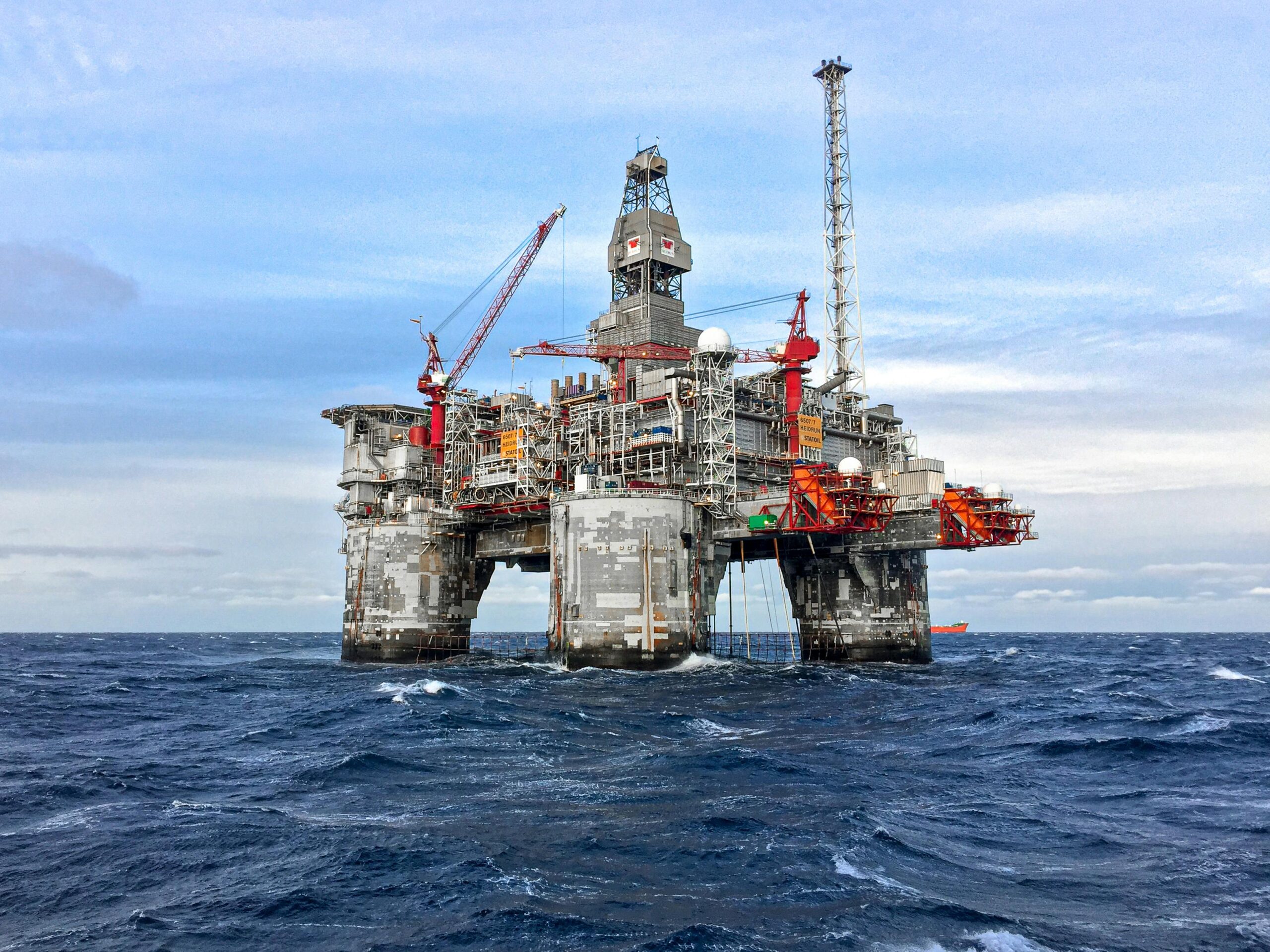
The evolution of lifting systems in maritime and offshore sectors is marked by a shift toward higher efficiency and safety.
These systems must function in harsh environments where precision is a requirement for every task. Modern cranes and winches are now designed with advanced electronics to handle loads with extreme accuracy.
Innovation drives safety in marine operations across the globe. Marine engineering now integrates more sensors to monitor the health of the machinery during use.
Technological growth in equipment engineering
Manufacturers now focus on materials that offer high durability against corrosion. High-strength steel and advanced coatings protect the equipment from the effects of saltwater.
The integration of smart hydraulics ensures that the movement of the crane remains fluid under pressure. Better materials increase equipment longevity in offshore conditions.
Using specialized components allows for a reduction in total system weight while maintaining power.
Safety through digital integration and automation
Digital tools allow for the constant monitoring of all lifting activities on a vessel. Systems collect data to provide operators with immediate feedback on load stability and local weather.
This level of information is a key part of modern safety management at sea. Smart systems prevent accidents during lifting by providing alerts. The use of active heave compensation allows the equipment to remain steady despite the motion of the ocean.
Customized solutions for diverse maritime projects
Every offshore project has specific needs that standard equipment might not meet. Engineers develop tailored winches and A-frames that integrate perfectly with the design of a ship. This approach ensures that the machinery performs as expected in specific operational scenarios. Customized engineering supports complex maritime tasks for various industries. Collaboration between designers and clients results in tools that are both innovative and reliable for the long term.
Lifecycle management and technical support excellence
The long-term performance of marine machinery depends heavily on a structured approach to maintenance and global support.
Engineering excellence does not end with the delivery of the product but continues through a dedicated service that covers the entire operational life of the equipment.
Modern manufacturers provide comprehensive assistance to ensure that every component remains efficient and safe over the years.
This proactive strategy involves several specialized activities designed to minimize downtime and optimize costs for shipowners and operators. Reliable support ensures continuous offshore operations even in the most demanding conditions.
Technical teams offer expert consultation and rapid intervention to solve any technical issue that may arise during intensive use.
A global network of service centers allows for the quick supply of original spare parts and specialized labor.
The following elements are vital for effective lifecycle management:
- Regular preventive maintenance programs to detect potential wear before it causes failure.
- On-site technical training for crew members to ensure correct and safe equipment handling.
- Remote diagnostic services to monitor system performance in real-time from shore.
- Periodic inspections and certifications to comply with international maritime safety standards.
- Upgrading and retrofitting existing systems with new technologies to extend their useful life.
Global service networks protect maritime investments by providing peace of mind to all project stakeholders.
Therefore, focusing on these aspects allows companies to maximize their investment and maintain high productivity levels.