
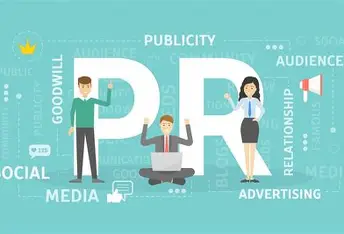
Public Relations (PR) has evolved dramatically in the digital age. No longer limited to press releases and traditional media outreach, modern PR is a strategic blend of storytelling, relationship-building, and online visibility. Businesses that understand and leverage digital PR effectively can build credibility, strengthen brand reputation, and gain a competitive edge in today’s crowded marketplace.
Understanding Modern Public Relations
Public Relations is the practice of managing how a brand is perceived by its audience. At its core, PR focuses on trust. While advertising pushes messages to consumers, PR earns attention through credibility, relevance, and value-driven communication.
In today’s environment, PR includes:
- Online media outreach
- Guest posting and thought leadership
- Influencer and blogger relationships
- Brand mentions and digital citations
- Crisis communication and reputation management
Digital platforms have expanded the reach of PR campaigns, allowing brands to connect with global audiences faster and more efficiently than ever before.
Why PR Matters More Than Ever
Consumers are more informed and skeptical than in the past. They research brands before making purchasing decisions, read reviews, and seek third-party validation. This is where PR plays a crucial role.
Effective PR helps:
- Build brand credibility and trust
- Improve online visibility and brand awareness
- Support SEO through authoritative backlinks and mentions
- Shape public perception during crises or negative press
- Establish industry authority through expert insights
A strong PR presence can influence how a brand is talked about, shared, and remembered.
The Role of Guest Posting in PR Strategy
Guest posting has become a powerful PR tool. By publishing high-quality content on authoritative websites, brands can reach new audiences while positioning themselves as industry experts.
PR-focused guest posts typically aim to:
- Share valuable insights or data
- Provide expert opinions on industry trends
- Offer solutions to common challenges
- Educate rather than directly promote
When done correctly, guest posting builds trust and enhances a brand’s reputation without sounding overly promotional.
Storytelling: The Heart of Successful PR
Modern PR is driven by storytelling. Facts alone are not enough; audiences connect with stories that are authentic, relatable, and emotionally engaging.
Effective PR storytelling includes:
- A clear message aligned with brand values
- Real-world examples or case studies
- Human-centric narratives
- Consistent tone across platforms
Brands that tell meaningful stories are more likely to gain media attention and audience loyalty.
Digital PR and SEO: A Powerful Combination
Digital PR and SEO now go hand in hand. High-quality PR campaigns generate backlinks from reputable websites, which improves search engine rankings. Unlike traditional link-building, PR links are earned through value-driven content and media relationships.
Benefits of PR for SEO include:
- Increased domain authority
- Natural, high-quality backlinks
- Improved brand searches
- Greater content visibility
Search engines favor brands that are mentioned across trusted platforms, making PR a long-term investment in online growth.
Building Strong Media Relationships
Successful PR is not transactional—it’s relational. Building genuine relationships with journalists, editors, and content creators is essential.
Best practices include:
- Personalizing outreach emails
- Providing relevant, newsworthy content
- Respecting deadlines and editorial guidelines
- Offering expert commentary when needed
Brands that consistently add value become reliable sources for media professionals.
Managing Brand Reputation Online
Online reputation management is a critical aspect of PR. Negative reviews, misinformation, or poor communication can damage brand trust quickly.
Effective PR strategies for reputation management include:
- Monitoring brand mentions regularly
- Responding professionally to feedback
- Addressing issues transparently
- Sharing positive stories and testimonials
Proactive PR helps control the narrative before problems escalate.
Measuring PR Success
Unlike traditional advertising, PR success isn’t measured only in immediate sales. Key performance indicators (KPIs) include:
- Media mentions and reach
- Brand sentiment and engagement
- Referral traffic from guest posts
- Backlinks and SEO improvements
- Social media shares and discussions
Tracking these metrics helps refine PR strategies and demonstrate long-term value.
Conclusion
Public Relations is no longer optional—it’s essential. In a digital-first world, PR helps brands build trust, gain visibility, and establish authority. Through strategic guest posting, compelling storytelling, and strong media relationships, businesses can shape their public image and achieve sustainable growth.
Brands that invest in authentic, value-driven PR will not only stand out but also create lasting connections with their audiences. As digital platforms continue to evolve, PR remains one of the most powerful tools for building a credible and influential brand.