
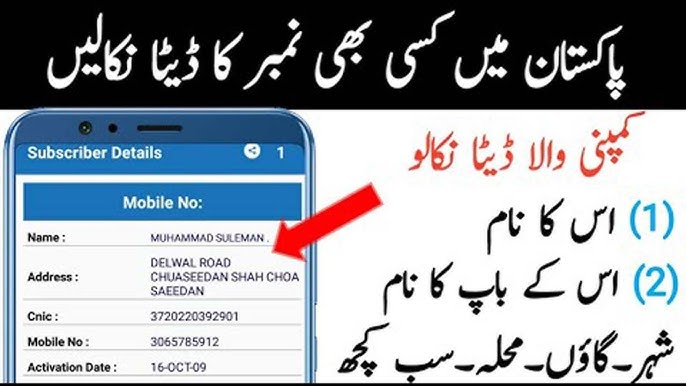
In today’s digital world, mobile phones are more than just communication tools—they are gateways to personal information, financial transactions, and online identity. Knowing the details of a SIM card, whether it is your own or verifying a number, is essential for security and identity protection. With the rise of identity theft, SIM misuse, and unauthorized registrations, checking SIM details online has become a crucial step in safeguarding personal information.
From confirming your registration to ensuring no one else is using your identity for mobile services, understanding how to access SIM information online is a valuable skill. This guide provides step-by-step instructions, legal considerations, and tips to check SIM number details safely and accurately.
What Information Can Be Obtained From SIM Details Online
Checking SIM information online can provide multiple details, including:
-
Registered Owner Name: The individual or entity under which the SIM is registered.
-
CNIC or Identity Number: The national identity linked to the SIM card.
-
Mobile Network Provider: The company providing mobile services for the number.
-
Number of SIMs Registered to a Single CNIC: Helps verify if multiple SIMs are linked to your ID.
-
Registration Date and Location: Some services provide the city or region of SIM registration.
This information helps users detect unauthorized SIMs, monitor active registrations, and ensure their mobile identity is secure.
Methods to Check SIM Number Details Online
1. Official Mobile Network Channels
The safest way to check SIM details is through the official network provider. Most operators provide USSD codes or online portals to verify SIM ownership.
Steps:
-
Dial the specific USSD code for your operator.
-
Enter your CNIC or mobile number when prompted.
-
Review the displayed information, including the registered name and CNIC.
These methods are secure, immediate, and legally approved. They ensure your personal data is not shared with unauthorized parties.
2. Government or Regulatory Authority Tools
Most countries, including Pakistan, have regulatory authorities that allow users to verify SIMs linked to their identity. These platforms provide CNIC-based SIM verification, allowing you to see all SIMs registered under your ID.
Steps:
-
Access the government or regulatory authority’s official platform.
-
Enter your CNIC or national identity number.
-
Receive a list of all SIMs registered under your identity.
This method is particularly useful for preventing identity misuse or fraudulent SIM registrations.
3. Third-Party SIM Lookup Services
There are online platforms that allow users to check SIM ownership by entering the number or CNIC. These services can provide details about the network operator, registered owner, and CNIC.
Important Considerations:
-
Only use reputable and verified services.
-
Avoid platforms that ask for sensitive personal information or payment upfront.
-
Cross-check results with official channels for accuracy.
While convenient, these services may vary in accuracy, and privacy laws must be respected.
Step-by-Step Guide to Check SIM Details
Step 1: Identify Your Objective
Decide whether you want to check your own SIM, all SIMs linked to your identity, or verify an unknown number.
Step 2: Select a Trusted Method
-
For personal SIMs: Use network USSD codes or provider portals.
-
For all SIMs on your CNIC: Use government regulatory tools.
-
For unknown numbers: Use reputable third-party services cautiously.
Step 3: Enter the Required Information
Provide either the mobile number or CNIC as required. Double-check the digits to ensure accurate results.
Step 4: Review Information
Examine the owner’s name, network provider, CNIC, and other details. Compare with your records to detect any discrepancies.
Step 5: Take Action if Needed
If you find unauthorized SIMs or suspicious registrations:
-
Contact your network provider.
-
Report the issue to the regulatory authority.
-
Block or deactivate any SIMs not authorized by you.
Legal and Safety Considerations
-
Always check SIM details for your own number or with the owner’s permission.
-
Avoid services that require sensitive personal information beyond what is legally necessary.
-
Unauthorized access to someone else’s SIM information can result in legal penalties.
-
Use official or verified channels whenever possible to ensure accurate and safe results.
-
Keep personal information secure and monitor for suspicious activity regularly.
Following these guidelines protects your identity and ensures compliance with privacy and telecom laws.
Common Misconceptions
-
All online SIM lookup services are accurate.
Not true. Many sites rely on outdated databases. Always cross-check with official sources. -
It is legal to check someone else’s SIM information.
Accessing another person’s data without consent is illegal in most jurisdictions. -
SIM details can always reveal the owner’s address.
Some platforms claim this, but accuracy varies, and official channels rarely provide address information. -
One CNIC can only have one SIM.
Most people have multiple SIMs registered under a single CNIC, which is why checking all linked SIMs is essential. -
Free online tools are always safe.
Not necessarily. Many are scams or may misuse personal information. Only use reputable services.
Tips for Accurate Results
-
Prioritize official USSD codes or network portals.
-
Avoid suspicious apps or websites that request login credentials.
-
Double-check numbers and CNICs for accuracy before submission.
-
Keep track of all SIMs registered under your identity.
-
Report unauthorized SIMs immediately to prevent misuse.
These measures ensure your SIM information is accurate and your identity remains secure.
Read More: TopHillSport.com: Overview, Features, and Safety Guide
Conclusion
Checking SIM number details online is no longer a luxury—it’s a necessity for personal security and identity protection. Whether it’s verifying your own number, checking all SIMs linked to your CNIC, or confirming ownership before a transaction, understanding how to access this information is critical. Using official network codes, government tools, and verified online services allows you to safely confirm ownership, prevent unauthorized use, and maintain control over your mobile identity. With the growing risks of identity theft and SIM misuse, regularly checking SIM details is a proactive step toward digital safety. By following legal and secure methods, you can stay informed, safeguard your personal information, and protect your digital presence.
FAQs
1. How can I check SIM number details online?
You can use official USSD codes, provider portals, or government tools to verify SIM ownership.
2. Is it legal to check someone else’s SIM information?
No. Accessing another person’s SIM details without permission may violate privacy laws.
3. Can SIM lookup reveal the owner’s address?
Official methods rarely provide full addresses; third-party platforms may claim it but are not always reliable.
4. How many SIMs can be registered under a CNIC?
Multiple SIMs can be linked to a single CNIC; checking helps identify unauthorized registrations.
5. Are free SIM lookup tools safe?
Not always. Many may be inaccurate or unsafe. It’s best to use verified or official sources.